If you want to elevate your daily cup, exploring different coffee brewing techniques can transform your routine into a delightful ritual. Each method brings out unique flavors and aromas, allowing you to savor your favorite drink in new and exciting ways. Whether you prefer a bold, rich taste or a smooth, delicate brew, understanding these techniques will help you craft the perfect cup every time.

Discover Popular Coffee Brewing Techniques

There are numerous ways to brew your coffee, each with its own equipment, process, and flavor profile. Here are some of the most popular methods to try:

1. Drip Coffee Maker

The drip coffee maker is a staple in many households. It’s convenient and consistent, making it ideal for busy mornings. Simply add ground coffee to a filter, pour water into the reservoir, and let the machine do the work. The water slowly drips through the grounds, extracting flavors and producing a clean, balanced cup.

Tips for the best drip coffee:

  • Use medium grind size for optimal extraction.
  • Freshly grind your beans just before brewing.
  • Use filtered water heated to about 200°F (93°C).

2. French Press

The French press offers a full-bodied and rich coffee experience. It involves steeping coarsely ground coffee in hot water for about 4 minutes before pressing the plunger down to separate the grounds.

How to master the French press:

  • Use a coarse grind to prevent sediment.
  • Stir gently after adding water to ensure even extraction.
  • Press the plunger slowly to avoid disturbing the grounds.

3. Pour-Over

Pour-over brewing is a manual method that gives you control over every aspect of the process. Using a cone-shaped dripper and a filter, you pour hot water over the grounds in a slow, circular motion.

Benefits of pour-over:

  • Highlights delicate and complex flavors.
  • Allows precise control over brewing time and temperature.
  • Produces a clean and bright cup.
Close-up view of a pour-over coffee dripper with fresh grounds
Pour-over coffee brewing technique

4. AeroPress

The AeroPress is a versatile and portable device that combines immersion and pressure to brew coffee quickly. It produces a smooth, espresso-like concentrate that can be enjoyed straight or diluted.

AeroPress brewing tips:

  • Use a fine to medium grind.
  • Experiment with water temperature between 175°F and 205°F.
  • Adjust steeping time from 30 seconds to 2 minutes for different strengths.

5. Espresso Machine

Espresso machines force hot water through finely ground coffee at high pressure, creating a concentrated shot with a rich crema on top. This method is the foundation for many coffee drinks like lattes and cappuccinos.

Key points for espresso:

  • Use a fine grind and tamp evenly.
  • Maintain water temperature around 200°F.
  • Aim for a 25-30 second extraction time.
Eye-level view of an espresso machine brewing a shot
Espresso machine brewing a fresh shot

Is coffee actually healthy for you?

Many people wonder about the health effects of drinking coffee. Research shows that moderate consumption can offer several benefits, but it’s important to understand the nuances.

Health benefits of coffee

  • Rich in antioxidants: Coffee contains compounds that help fight inflammation and protect cells.
  • Boosts mental alertness: Caffeine stimulates the central nervous system, improving focus and concentration.
  • May reduce risk of certain diseases: Studies suggest coffee drinkers have a lower risk of Parkinson’s disease, type 2 diabetes, and some types of cancer.

Potential drawbacks

  • Sleep disruption: Consuming coffee late in the day can interfere with sleep quality.
  • Digestive issues: Some people may experience acid reflux or stomach discomfort.
  • Dependence: Regular caffeine intake can lead to mild dependence and withdrawal symptoms.

Recommendations

  • Limit intake to 3-4 cups per day.
  • Avoid adding excessive sugar or cream.
  • Choose high-quality beans and brewing methods that suit your digestion.
High angle view of a cup of black coffee on a wooden table
Healthy cup of black coffee

How to choose the right brewing method for you

Selecting the best brewing technique depends on your taste preferences, lifestyle, and equipment availability. Here are some factors to consider:

  • Flavor profile: If you enjoy bold and robust coffee, try the French press or espresso. For lighter, more nuanced flavors, pour-over is ideal.
  • Time and convenience: Drip coffee makers and AeroPress are great for quick brewing. Pour-over requires more attention but rewards with exceptional taste.
  • Portability: AeroPress is compact and perfect for travel or office use.
  • Budget: French press and pour-over setups are affordable, while espresso machines can be a significant investment.

Experimenting with different methods will help you discover what suits your palate best.

Tips for perfecting your brewing technique

No matter which method you choose, these general tips will improve your coffee experience:

  • Use fresh, high-quality beans: Purchase whole beans and grind them just before brewing.
  • Measure your coffee and water: Use a scale for accuracy and consistency.
  • Control water temperature: Ideal brewing temperature is between 195°F and 205°F.
  • Clean your equipment regularly: Residue can affect flavor and machine performance.
  • Adjust grind size: Different methods require different grind sizes for optimal extraction.

By paying attention to these details, you can unlock the full potential of your coffee.

Elevate your daily ritual with better brewing

Exploring various coffee brewing techniques opens up a world of flavors and aromas that can make your daily cup something to look forward to. Whether you prefer the simplicity of a drip coffee maker or the hands-on approach of a pour-over, mastering these methods will enhance your enjoyment.

For those interested in sourcing quality beans and learning more about brewing, visiting a specialty coffee site like Cafe Vensava can provide valuable resources and products.

Start experimenting today and transform your coffee routine into a rich, sensory experience.

Coffee lovers are a special breed. They cherish the aroma, the taste, and the ritual of their daily cup. If you want to surprise a coffee enthusiast with a thoughtful and convenient gift, digital coffee gift cards are an excellent choice. They combine the joy of coffee with the ease of modern technology, making it simple to share a warm gesture no matter where you or your recipient are.

In this guide, you will learn how to choose, personalize, and send the perfect digital coffee gift card. Whether it’s for a birthday, holiday, or just because, these tips will help you make your gift memorable and appreciated.

Why Digital Coffee Gift Cards Are the Ultimate Gift

Digital coffee gift cards offer several advantages over traditional gifts. First, they are incredibly convenient. You can purchase and send them instantly from your phone or computer. This is perfect for last-minute gifts or for friends and family who live far away.

Second, digital gift cards give the recipient the freedom to choose their favorite coffee or treat. Whether they prefer a bold espresso, a creamy latte, or a sweet pastry, they can pick exactly what they want. This flexibility makes the gift more personal and enjoyable.

Third, digital coffee gift cards are eco-friendly. They reduce the need for physical cards and packaging, which helps cut down on waste. Plus, many coffee shops now offer digital options that integrate with their apps, making the experience seamless.

Example: Imagine sending a digital gift card to a friend who just moved to a new city. They can use it to explore local coffee shops and discover new favorites without any hassle.

Close-up view of a digital coffee gift card displayed on a smartphone screen
Digital coffee gift card on smartphone screen

How to Choose the Best Digital Coffee Gift Cards

Choosing the right digital coffee gift card involves considering a few key factors to ensure your gift hits the mark.

1. Select a Reputable Coffee Shop or Brand

Look for well-known coffee shops or specialty roasters that offer digital gift cards. Popular chains often have easy-to-use platforms and wide acceptance. Specialty shops may provide unique blends or artisanal options that coffee lovers appreciate.

2. Check the Card’s Flexibility and Expiry

Make sure the gift card can be used both in-store and online if possible. Also, verify the expiration date. Some cards last for years, while others may expire sooner. You want your recipient to have plenty of time to enjoy their gift.

3. Consider the Amount

Think about how much you want to spend. A $10 card might cover a couple of drinks, while $50 could allow for a full coffee experience including snacks. Tailor the amount to your budget and the occasion.

4. Look for Personalization Options

Many platforms let you add a personal message or choose a design. This small touch can make your digital gift card feel more special and thoughtful.

5. Confirm Delivery Options

Some digital gift cards can be emailed directly to the recipient, while others allow you to send them via text or even schedule delivery for a specific date.

Example: If your recipient loves a particular coffee shop, buying a digital gift card from that place shows you know their taste and care about their preferences.

Eye-level view of a laptop screen showing a coffee shop’s digital gift card purchase page
Coffee shop digital gift card purchase page on laptop

What is the Safest Way to Send a Virtual Gift Card?

Security is crucial when sending digital gifts. You want to ensure your gift card reaches the recipient safely and cannot be intercepted or misused.

Use Trusted Platforms

Always purchase digital gift cards from official websites or authorized sellers. Avoid third-party sites that may not be secure or legitimate.

Send Directly to the Recipient

Whenever possible, send the digital gift card directly to the recipient’s email or phone number. This reduces the risk of the card being lost or stolen.

Avoid Sharing Codes Publicly

Never post gift card codes on social media or public forums. If you want to share your gift, do so privately.

Use Secure Payment Methods

Pay with credit cards or trusted payment services that offer fraud protection. This adds an extra layer of security to your purchase.

Confirm Receipt

Follow up with the recipient to make sure they received the gift card and can access it without issues.

Example: When you send digital gift cards, using the official Cafe Vensava platform ensures your gift is secure and delivered promptly.

Close-up view of a secure online payment screen for purchasing a digital gift card
Secure online payment for digital gift card

Tips for Personalizing Your Digital Coffee Gift Card

Personalization makes your gift stand out and shows extra thoughtfulness. Here are some ways to add a personal touch:

  • Add a heartfelt message: Write a note explaining why you chose this gift or sharing a coffee-related memory.
  • Choose a themed design: Many platforms offer seasonal or coffee-themed card designs.
  • Include a coffee recipe: Attach a favorite coffee recipe or brewing tip to inspire your recipient.
  • Pair with a virtual coffee date: Schedule a video call to enjoy coffee together, even if you’re miles apart.
  • Suggest a coffee challenge: Encourage your recipient to try new blends or brewing methods using the gift card.

Example: Sending a digital coffee gift card with a message like “Enjoy a cup on me while you relax this weekend” adds warmth and personality.

How to Make the Most of Your Digital Coffee Gift Card Experience

Once your recipient has the digital coffee gift card, encourage them to get the most out of it.

  • Explore new flavors: Suggest trying seasonal or limited-edition coffees.
  • Use the card for extras: Many coffee shops offer pastries, merchandise, or brewing equipment.
  • Combine with loyalty programs: Some shops allow gift cards to be linked with rewards accounts.
  • Share the experience: Invite your recipient to share their coffee moments on social media or with friends.
  • Plan future gifts: Use feedback to choose even better gifts next time.

By thinking beyond just the card, you help create a richer coffee experience that lasts.

Digital coffee gift cards are a fantastic way to brighten a coffee lover’s day. They combine convenience, personalization, and security to deliver a gift that’s both practical and heartfelt. Whether you’re celebrating a special occasion or just want to say thanks, following these tips will help you send a gift that’s sure to be appreciated.

Ready to surprise someone with the perfect coffee gift? Visit Cafe Vensava to send digital gift cards today and make their coffee moments even more special!

Coffee is more than just a morning ritual; it is a complex and fascinating beverage with a rich history and a wide variety of flavors and brewing methods. Whether you are a casual drinker or an aspiring barista, understanding the nuances of coffee can enhance your appreciation and enjoyment. This guide will take you through the diverse world of coffee flavors, types, and essential coffee brewing tips to help you craft the perfect cup every time.

Understanding Coffee Flavors: From Fruity to Nutty

Coffee flavors can vary dramatically depending on the origin, processing method, and roast level. The flavor profile of coffee is often described using terms borrowed from the world of wine and food tasting. Here are some common flavor notes you might encounter:

  • Fruity: Coffees from regions like Ethiopia and Kenya often have bright, fruity notes such as blueberry, citrus, or tropical fruits.
  • Nutty and Chocolatey: Coffees from Central and South America, such as Colombia and Brazil, tend to have smooth, nutty, and chocolate undertones.
  • Spicy and Earthy: Indonesian coffees, like those from Sumatra, are known for their earthy, spicy, and sometimes smoky flavors.

The roasting process also plays a crucial role. Light roasts preserve more of the original bean flavors, while dark roasts bring out bolder, roasted notes.

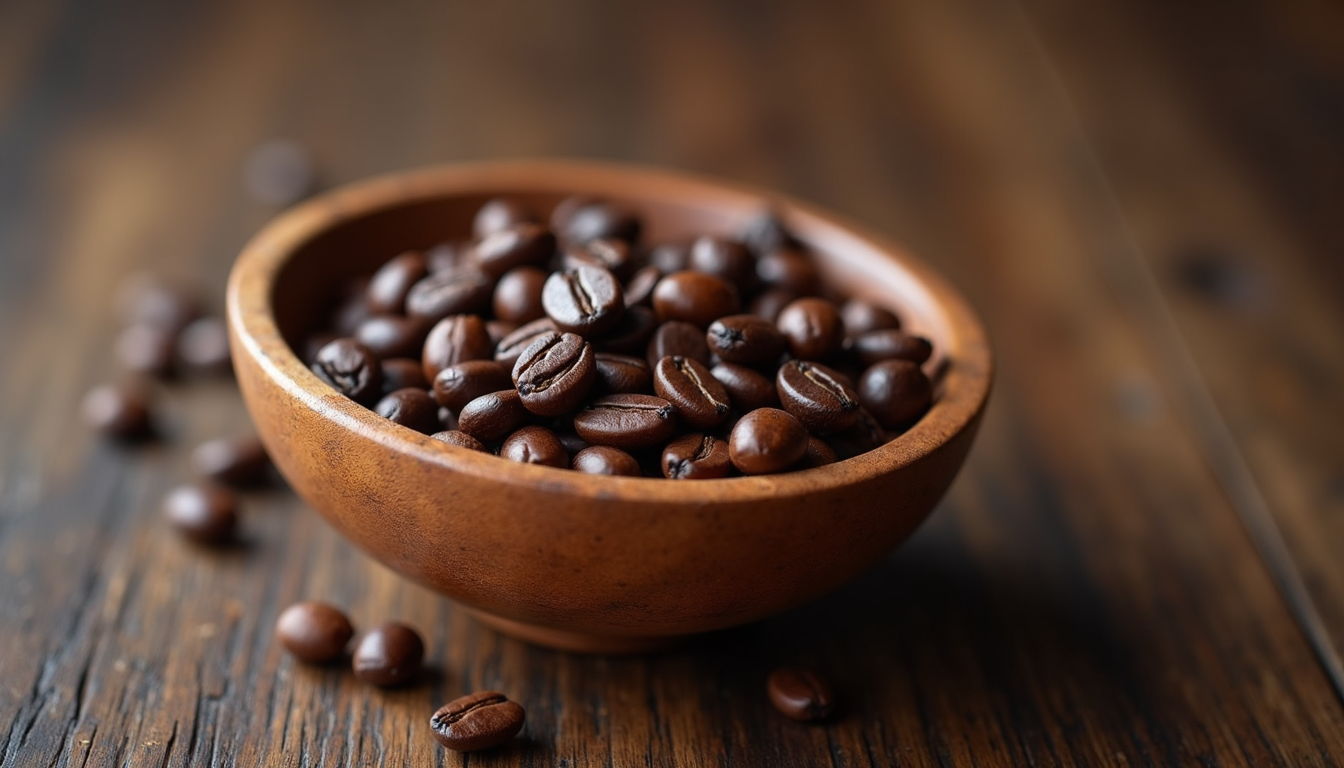
Close-up view of roasted coffee beans in a wooden bowl
Roasted coffee beans in a wooden bowl

Essential Coffee Brewing Tips for a Perfect Cup

Brewing coffee is both an art and a science. Small adjustments can make a big difference in taste. Here are some practical tips to improve your brewing technique:

  1. Use Fresh, Quality Beans: Always start with fresh beans from a reputable source. Grinding just before brewing preserves the flavors.
  2. Measure Your Coffee and Water: A general guideline is 1 to 2 tablespoons of coffee per 6 ounces of water. Use a scale for precision.
  3. Mind the Water Temperature: Ideal brewing temperature is between 195°F and 205°F. Too hot or too cold water can affect extraction.
  4. Choose the Right Grind Size: Different brewing methods require different grind sizes. For example, French press needs coarse grounds, while espresso requires fine grounds.
  5. Control Brew Time: Over-extraction leads to bitterness, under-extraction to sourness. Adjust brew time according to your method.

Experimenting with these variables will help you find the perfect balance for your taste.

Eye-level view of a pour-over coffee setup with a glass carafe
Pour-over coffee brewing setup with glass carafe

What Brand of Coffee Is Best?

Choosing the best brand of coffee depends on your preferences for flavor, roast, and ethical considerations. Here are some tips to help you select a brand that suits your needs:

  • Look for Specialty Coffee Roasters: These brands focus on quality and traceability. They often provide detailed information about the coffee’s origin and processing.
  • Consider Ethical Certifications: Fair Trade, Rainforest Alliance, and Organic certifications ensure sustainable and ethical practices.
  • Read Reviews and Try Samples: Many roasters offer sampler packs. This is a great way to explore different flavors without committing to a large quantity.
  • Support Local Roasters: Local roasters often have fresher beans and unique blends tailored to your region’s palate.

For a reliable and diverse selection, you might want to explore options at Cafe Vensava, known for their quality and variety.

High angle view of assorted coffee bags from different brands on a wooden table
Assorted coffee bags from various brands on wooden table

Popular Types of Coffee and Their Characteristics

Coffee comes in many forms, each with its unique preparation and flavor profile. Here are some popular types you should know:

  • Espresso: A concentrated shot of coffee made by forcing hot water through finely-ground coffee. It has a strong, rich flavor and forms the base for many drinks.
  • Americano: Espresso diluted with hot water, resulting in a lighter, more diluted coffee.
  • Latte: Espresso mixed with steamed milk and topped with a small amount of foam. It’s creamy and smooth.
  • Cappuccino: Similar to a latte but with more foam and often sprinkled with cocoa or cinnamon.
  • Cold Brew: Coffee steeped in cold water for 12-24 hours. It’s smooth, less acidic, and served chilled.
  • French Press: Coarse coffee grounds steeped in hot water and then pressed with a plunger. It produces a full-bodied cup.

Each type offers a different experience, so try them all to find your favorite.

Tips for Storing Coffee to Maintain Freshness

Proper storage is key to preserving the flavor and aroma of your coffee beans. Here are some actionable recommendations:

  • Keep Beans in an Airtight Container: Oxygen is the enemy of freshness. Use containers with a one-way valve if possible.
  • Store in a Cool, Dark Place: Avoid heat, light, and moisture, which degrade coffee quality.
  • Avoid Refrigeration: Coffee can absorb odors and moisture from the fridge. Only freeze if you have a large quantity and divide it into small portions.
  • Buy in Small Quantities: Purchase amounts you can consume within 1-2 weeks to ensure freshness.

Following these tips will help you enjoy the best flavor from your beans.

Close-up view of an airtight coffee storage container on a kitchen counter
Airtight coffee storage container on kitchen counter

Elevate Your Coffee Experience

Exploring the world of coffee is a rewarding journey filled with endless possibilities. By understanding the diverse flavors, experimenting with brewing techniques, and choosing quality beans, you can elevate your daily cup into a delightful ritual. Whether you prefer a bright, fruity Ethiopian roast or a rich, chocolatey blend from South America, the perfect cup is within your reach. Remember, the key is to enjoy the process and savor every sip.

For more inspiration and quality beans, visit Cafe Vensava and start your coffee adventure today!

In today’s fast-paced world, digital gift cards have become a popular and convenient way to show appreciation, celebrate special occasions, or simply surprise someone with a thoughtful present. Whether it’s for a birthday, holiday, or just because, sending a digital gift card is quick, easy, and hassle-free. This guide will walk you through everything you need to know about digital gift cards and how to send them effortlessly.

What Is a Digital Gift Card? Your Essential Digital Gift Card Guide

A digital gift card is an electronic version of a traditional gift card. Instead of receiving a physical card, the recipient gets a code or voucher via email or text message that they can redeem online or in-store. Digital gift cards offer several advantages:

  • Instant delivery: No waiting for shipping or worrying about lost mail.
  • Eco-friendly: No plastic or paper waste.
  • Flexible: Can be used anytime and anywhere the retailer accepts them.
  • Customizable: Many platforms allow you to add personal messages or choose designs.

For example, if you want to treat a friend to a coffee or a meal, you can easily purchase a digital gift card from their favorite café or restaurant and have it sent directly to their inbox.

Eye-level view of a digital gift card displayed on a smartphone screen
Digital gift card on smartphone screen

How to Send Digital Gift Cards: Step-by-Step Instructions

Sending a digital gift card is straightforward and can be done in just a few minutes. Here’s a simple step-by-step process to help you get started:

  1. Choose the retailer or service: Decide where you want to buy the gift card from. Many businesses, including cafes, restaurants, and online stores, offer digital gift cards.
  2. Select the gift card value: Pick the amount you want to load onto the card. Some platforms offer preset amounts, while others allow you to enter a custom value.
  3. Add recipient details: Enter the recipient’s email address or phone number. Double-check this information to ensure the gift card reaches the right person.
  4. Personalize your message: Many services let you include a short note or greeting to make the gift more special.
  5. Complete the purchase: Pay using your preferred payment method. Most platforms accept credit cards, debit cards, and sometimes PayPal.
  6. Notify the recipient: The recipient will receive an email or text with the gift card code and instructions on how to redeem it.

If you want to send digital gift cards quickly and securely, many websites provide user-friendly interfaces that make the process seamless.

Close-up view of a laptop screen showing an online gift card purchase page
Online gift card purchase page on laptop

Can I Send Someone a Digital Gift Card?

Absolutely! Sending digital gift cards is one of the easiest ways to share a gift with someone, no matter where they are. Whether your loved one lives across town or across the globe, digital gift cards can be delivered instantly, making them perfect for last-minute gifts or long-distance celebrations.

Here are some common questions about sending digital gift cards:

  • Is it safe to send digital gift cards? Yes, reputable platforms use secure payment gateways and encryption to protect your information.
  • Can I schedule delivery? Many services allow you to choose a specific date and time for the gift card to be sent.
  • What if the recipient doesn’t use the gift card? Most digital gift cards have expiration dates, so remind the recipient to redeem it before it expires.
  • Can I resend or cancel a digital gift card? Policies vary by retailer, so check their terms before purchasing.

Digital gift cards are versatile and convenient, making them a great option for any occasion.

High angle view of a person typing on a tablet with a gift card website open
Person using tablet to purchase digital gift card

Tips for Choosing the Perfect Digital Gift Card

Selecting the right digital gift card can make your gift even more meaningful. Here are some tips to help you choose wisely:

  • Know the recipient’s preferences: Pick a retailer or service they love or have mentioned wanting to try.
  • Consider the occasion: For birthdays, holidays, or anniversaries, choose a card that fits the theme or the recipient’s interests.
  • Check the terms and conditions: Look for any restrictions, expiration dates, or fees associated with the card.
  • Personalize your message: A heartfelt note can make a digital gift card feel more personal and thoughtful.
  • Use trusted platforms: Purchase from official websites or reputable vendors to avoid scams or invalid cards.

For example, if your friend loves coffee, a digital gift card to their favorite café is a perfect choice. If they enjoy shopping, consider a card from a popular online retailer.

How to Redeem a Digital Gift Card: A Quick Guide

Once the recipient receives the digital gift card, redeeming it is usually simple. Here’s what they need to do:

  1. Open the email or message: The gift card code and instructions will be included.
  2. Visit the retailer’s website or store: Follow the link or go to the physical location.
  3. Enter the gift card code: During checkout, input the code in the designated field.
  4. Apply the balance: The gift card amount will be deducted from the total purchase.
  5. Complete the transaction: Pay any remaining balance if necessary.

Some retailers also offer mobile apps where the gift card can be saved and used directly from a smartphone.

Why Digital Gift Cards Are the Future of Gifting

Digital gift cards are transforming the way we give and receive gifts. They offer unmatched convenience, flexibility, and personalization. Here are some reasons why they are becoming the preferred choice:

  • Instant gratification: No need to wait for shipping or worry about delivery delays.
  • Eco-conscious choice: Reduces waste and supports sustainability.
  • Wide acceptance: Usable at many stores and online platforms.
  • Easy to track: Both sender and recipient can monitor balances and transactions.
  • Perfect for any budget: Available in various denominations to suit all wallets.

Whether you want to surprise a friend, reward an employee, or thank a client, digital gift cards provide a modern, efficient solution.

Sending a digital gift card is a simple yet thoughtful way to brighten someone’s day. By following this digital gift card guide, you can confidently choose, purchase, and send the perfect gift in just a few easy steps. Ready to make someone’s day? Visit Cafe Vensava to send digital gift cards today and enjoy the convenience of gifting made simple!

Coffee is more than just a morning ritual or a quick pick-me-up. It is a rich tapestry woven with centuries of history, cultural significance, and a variety of brewing techniques that have evolved across the globe. Whether you are a casual drinker or a budding barista, understanding the story behind your cup can deepen your appreciation and enhance your experience.

The Fascinating History of All About Coffee

The journey of coffee begins in the ancient coffee forests of Ethiopia. Legend has it that a goat herder named Kaldi discovered the energizing effects of coffee beans after noticing his goats becoming unusually lively. From Ethiopia, coffee spread to the Arabian Peninsula, where it became a staple in social and religious gatherings.

By the 15th century, coffee houses, known as qahveh khaneh, flourished in the Middle East. These venues were hubs for intellectual exchange, music, and conversation. The beverage then traveled to Europe in the 17th century, where it was initially met with suspicion but soon became popular in cafes across cities like Venice and London.

Coffee cultivation expanded globally, with plantations established in the Caribbean, South America, and Southeast Asia. Today, coffee is one of the most traded commodities worldwide, enjoyed by millions daily.

Close-up view of roasted coffee beans in a wooden bowl
Roasted coffee beans ready for brewing

Exploring the Culture of All About Coffee

Coffee culture varies widely around the world, reflecting local customs, tastes, and social habits. In Italy, espresso is king, served in small cups and consumed quickly at the bar. In Sweden, the tradition of fika encourages people to take a break with coffee and pastries, fostering social connection.

In Turkey, coffee is brewed strong and thick, often accompanied by fortune-telling from the coffee grounds. Meanwhile, in the United States, specialty coffee shops emphasize artisanal brewing methods and single-origin beans, catering to a growing community of coffee enthusiasts.

Understanding these cultural nuances can inspire you to try new styles and appreciate the diversity of coffee experiences. Whether it’s a slow pour-over or a quick espresso shot, each method tells a story.

Eye-level view of a barista preparing espresso in a modern coffee shop
Barista making espresso in a contemporary cafe

Is Coffee Actually Healthy for You?

The health effects of coffee have been studied extensively, and the results are generally positive when consumed in moderation. Coffee contains antioxidants and essential nutrients like vitamins B2 and B3, magnesium, and potassium.

Research suggests that moderate coffee intake may reduce the risk of certain diseases, including Parkinson’s, Alzheimer’s, type 2 diabetes, and some types of cancer. It can also improve mental alertness and physical performance due to its caffeine content.

However, excessive consumption can lead to negative effects such as insomnia, increased heart rate, and digestive issues. It is important to listen to your body and adjust your intake accordingly.

Tips for healthy coffee consumption:

  • Limit yourself to 3-4 cups per day.
  • Avoid adding excessive sugar or high-fat creamers.
  • Drink water alongside coffee to stay hydrated.
  • Consider timing your coffee intake to avoid sleep disruption.

Mastering the Art of Brewing: Practical Tips and Techniques

Brewing the perfect cup is both an art and a science. The method you choose can dramatically affect the flavor, aroma, and strength of your coffee. Here are some popular brewing techniques and tips to get you started:

  1. Drip Coffee Maker – Convenient and consistent, ideal for making multiple cups. Use fresh, medium grind coffee and clean your machine regularly.
  2. French Press – Produces a rich, full-bodied cup. Use coarsely ground beans and steep for about 4 minutes before pressing.
  3. Pour-Over – Offers control over brewing time and temperature. Use a gooseneck kettle for precision and pour in a slow, circular motion.
  4. Espresso Machine – Creates a concentrated shot with crema. Requires fine grind and tamping for even extraction.
  5. Cold Brew – Steep coarse grounds in cold water for 12-24 hours. Results in a smooth, less acidic coffee perfect for hot days.

General brewing tips:

  • Use filtered water heated to about 195-205°F.
  • Measure coffee and water accurately for consistency.
  • Store beans in an airtight container away from light and heat.
  • Grind beans just before brewing to preserve freshness.

Experimenting with these methods can help you discover your preferred flavor profile and brewing style.

The Future of Coffee: Trends and Innovations

The coffee industry continues to evolve with new trends and innovations shaping how we enjoy this beloved beverage. Sustainability is a major focus, with more farms adopting eco-friendly practices and certifications like Fair Trade and Rainforest Alliance gaining popularity.

Technology is also transforming coffee preparation. Smart coffee makers with app controls, precision grinders, and advanced espresso machines are making it easier to brew café-quality coffee at home.

Additionally, the rise of specialty coffee shops and third-wave coffee culture emphasizes transparency, quality, and education. Consumers are more interested in the origin of their beans, the farmers who grow them, and the story behind each cup.

As the world of coffee expands, so does the opportunity to explore new flavors, support ethical practices, and enjoy a truly personalized coffee experience.

Whether you are savoring a simple cup or diving into the complexities of brewing, the world of coffee offers endless fascination. Embrace the history, culture, and craft behind your favorite drink and let every sip tell a story.

Coffee is more than just a morning ritual or a simple beverage. It is a fascinating journey that begins in lush plantations and ends in your favorite cup. Understanding this journey enriches the experience of every sip, connecting us to the farmers, roasters, and baristas who make it possible. Let’s explore the intricate process that transforms raw coffee cherries into the aromatic brew loved worldwide.

The Origins: Coffee Cultivation and Harvesting

The journey starts in tropical regions where coffee plants thrive. These areas, often called the “coffee belt,” include countries in Central and South America, Africa, and Asia. Coffee plants produce cherries that contain the precious beans inside.

Farmers carefully tend to these plants, ensuring they receive the right amount of sunlight, water, and nutrients. Harvesting is a critical step. It is usually done by hand to select only the ripe cherries, which are bright red or yellow depending on the variety. This selective picking ensures the highest quality beans.

After harvesting, the cherries undergo processing to separate the beans from the fruit. There are two main methods:

  • Wet processing: The cherries are pulped, fermented, washed, and dried. This method produces a cleaner, brighter flavor.
  • Dry processing: The cherries are dried whole in the sun before the beans are extracted. This method often results in a fruitier, heavier-bodied coffee.

Both methods require careful attention to detail to avoid defects and preserve the beans’ quality.

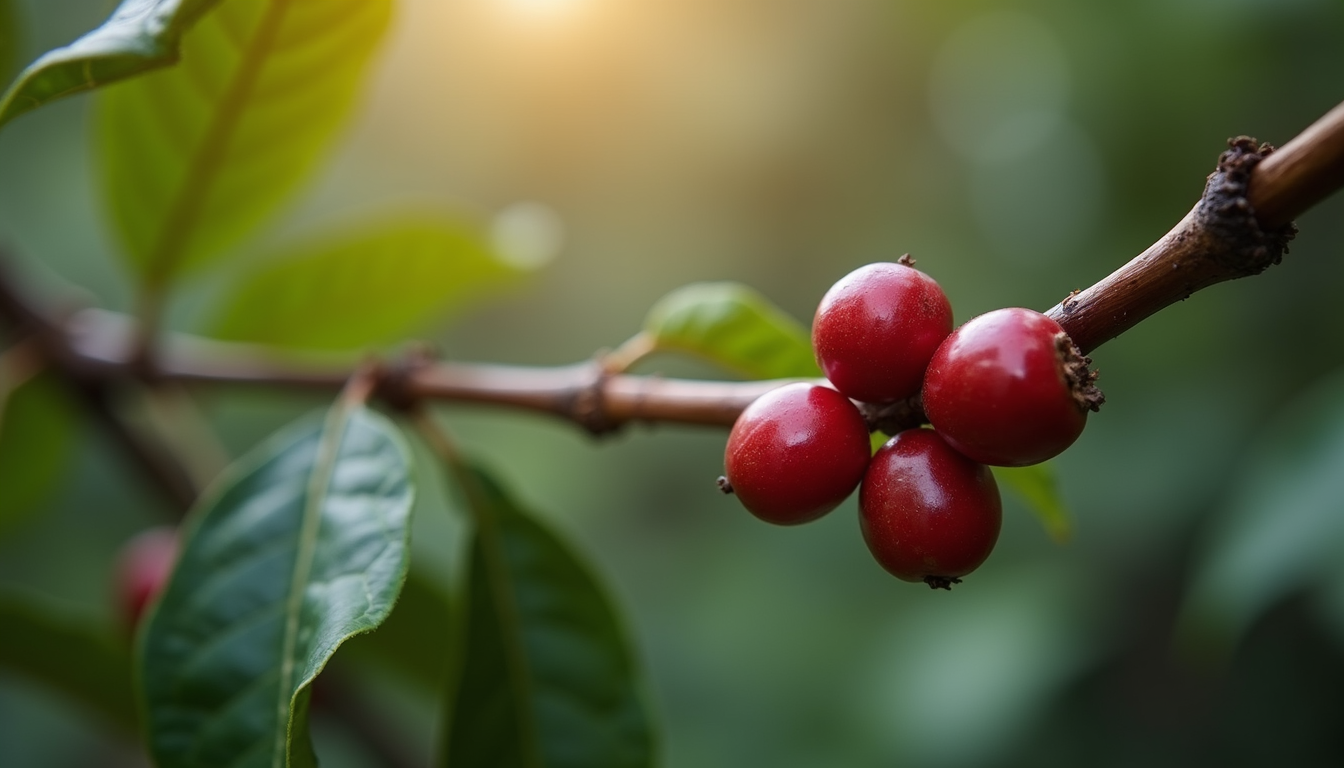
Close-up view of ripe coffee cherries on a branch
Ripe coffee cherries ready for harvest

The Coffee Brewing Journey: Roasting and Grinding

Once the beans are processed and dried, they are ready for roasting. Roasting is where the magic happens, transforming green beans into the familiar brown coffee beans with rich aromas and flavors.

Roasting involves heating the beans at temperatures between 370°F and 540°F (188°C to 282°C). The process can last from a few minutes to over 20 minutes, depending on the desired roast level:

  • Light roast: Retains most of the bean’s original flavors, often fruity or floral.
  • Medium roast: Balances acidity and body, with a sweeter, more rounded flavor.
  • Dark roast: Produces a bold, smoky, and sometimes bitter taste.

Roasters must monitor the beans closely to avoid over-roasting, which can burn the beans and ruin the flavor.

After roasting, the beans are cooled quickly to stop the roasting process. They are then packaged to preserve freshness. Grinding is the next step, and the grind size depends on the brewing method:

  • Coarse grind for French press
  • Medium grind for drip coffee makers
  • Fine grind for espresso machines

Grinding just before brewing ensures maximum flavor extraction.

Eye-level view of roasted coffee beans in a wooden bowl
Freshly roasted coffee beans ready for grinding

Brewing Techniques: Unlocking the Perfect Cup

Brewing is the final and most personal step in the coffee journey. It is where the flavors locked inside the beans are extracted into a delicious drink. There are many brewing methods, each offering unique characteristics:

  1. Drip Coffee Maker: Convenient and consistent, it uses medium grind and hot water to slowly extract flavors.
  2. French Press: Uses coarse grounds steeped in hot water, producing a full-bodied and rich cup.
  3. Espresso Machine: Forces hot water through finely ground coffee under pressure, creating a concentrated and intense shot.
  4. Pour Over: Involves manually pouring hot water over coffee grounds in a filter, allowing control over extraction time and flavor.
  5. Cold Brew: Steeps coarse grounds in cold water for 12-24 hours, resulting in a smooth, less acidic coffee.

Each method requires attention to variables like water temperature, coffee-to-water ratio, and brewing time. For example, water temperature should ideally be between 195°F and 205°F (90°C to 96°C) for optimal extraction.

Experimenting with these factors can help you discover your perfect cup.

Enhancing Your Coffee Experience: Tips and Recommendations

To truly appreciate the journey from bean to brew, consider these practical tips:

  • Buy whole beans: Grinding just before brewing preserves freshness and flavor.
  • Store properly: Keep beans in an airtight container away from light, heat, and moisture.
  • Use filtered water: Water quality significantly affects taste.
  • Measure accurately: Use a kitchen scale to maintain consistent coffee-to-water ratios.
  • Clean your equipment: Regular cleaning prevents buildup that can alter flavor.

Additionally, exploring different origins and roast levels can expand your palate. For instance, Ethiopian coffees often have floral and citrus notes, while Brazilian beans tend to be nutty and chocolatey.

For those interested in exploring high-quality options, visiting specialty coffee shops or online stores like Cafe Vensava can provide access to premium beans and expert advice.

The Last Sip: Appreciating the Journey

Every cup of coffee carries a story – from the farmers who nurture the plants to the roasters who unlock the flavors, and finally to the brewing methods that bring it all together. Understanding this journey enhances your appreciation and encourages mindful consumption.

Next time you enjoy a cup, take a moment to savor not just the taste but the incredible process behind it. Whether you prefer a quick espresso or a slow pour-over, the journey of coffee is a testament to craftsmanship, passion, and tradition.

Embrace the adventure in every brew and continue exploring the diverse world of coffee.

Specialty coffee is more than just a drink – it is an experience that connects you to the origins, craftsmanship, and unique flavors of carefully cultivated beans. Unlike regular coffee, specialty coffee is all about quality, traceability, and the art of brewing. Whether you are a casual drinker or an aspiring connoisseur, diving into the world of specialty coffee opens up a universe of taste and knowledge that can transform your daily routine.

What Makes Specialty Coffee Different?

Specialty coffee stands apart due to its exceptional quality and attention to detail at every stage. From the farm to your cup, each step is carefully monitored to ensure the best possible flavor profile. Here are some key factors that define specialty coffee:

  • Origin and Traceability: Specialty coffee beans come from specific regions known for their ideal growing conditions. Farmers often share detailed information about the farm, altitude, and processing methods.
  • Grading and Scoring: Beans are graded by certified coffee tasters who score them based on aroma, flavor, acidity, body, and balance. Only beans scoring above 80 points on a 100-point scale qualify as specialty.
  • Freshness and Roasting: Roasters focus on highlighting the unique characteristics of each batch. They roast beans in small quantities and recommend consuming them within a few weeks for optimal taste.
  • Brewing Techniques: Specialty coffee encourages experimentation with brewing methods like pour-over, AeroPress, and siphon to bring out nuanced flavors.

By understanding these elements, you can appreciate why specialty coffee offers a richer and more complex experience than standard blends.

Close-up view of roasted specialty coffee beans in a wooden bowl
Roasted specialty coffee beans ready for brewing

Exploring the Flavors of Specialty Coffee

One of the most exciting aspects of specialty coffee is the vast range of flavors you can discover. Unlike generic coffee, which often tastes bitter or flat, specialty coffee can have notes of fruit, chocolate, floral hints, and even spices. These flavors depend on several factors:

  • Varietal: Different coffee plant varieties produce distinct flavor profiles.
  • Terroir: The soil, climate, and altitude where the coffee is grown influence its taste.
  • Processing Method: Washed, natural, or honey-processed beans each impart unique characteristics.
  • Roast Level: Light roasts preserve more of the bean’s original flavors, while darker roasts emphasize caramelization and body.

For example, Ethiopian coffees are famous for their bright, fruity, and floral notes, while Colombian beans often have a balanced sweetness with hints of nuts and chocolate. Tasting different specialty coffees side by side can be a delightful journey for your palate.

How to Brew Specialty Coffee at Home

Brewing specialty coffee at home is both an art and a science. With the right tools and techniques, you can unlock the full potential of your beans. Here are some practical tips to get started:

  1. Invest in Fresh Beans: Purchase freshly roasted specialty coffee from reputable roasters. Look for roast dates and avoid pre-ground coffee.
  2. Use Clean, Filtered Water: Water quality affects extraction, so use filtered water heated to about 195-205°F (90-96°C).
  3. Grind Just Before Brewing: Use a burr grinder to achieve a consistent grind size tailored to your brewing method.
  4. Measure Precisely: Use a scale to measure coffee and water for consistent results. A common ratio is 1:15 (coffee to water).
  5. Choose Your Brewing Method: Popular options include:
  6. Pour-over: Allows control over extraction time and flow rate.
  7. French Press: Produces a full-bodied cup with rich oils.
  8. AeroPress: Quick and versatile, great for experimenting.
  9. Experiment and Adjust: Taste your coffee and tweak grind size, water temperature, or brew time to suit your preferences.

By mastering these basics, you can enjoy a café-quality cup in the comfort of your home.

Eye-level view of a pour-over coffee setup with a glass carafe and dripper
Pour-over brewing method showcasing specialty coffee preparation

The Journey from Farm to Cup

Understanding the journey of specialty coffee deepens your appreciation for every sip. It all begins on farms where skilled growers nurture coffee plants under ideal conditions. These farms are often small-scale and family-owned, focusing on sustainable practices and quality over quantity.

After harvesting ripe cherries, the beans undergo processing to remove the fruit. This step can be done in several ways:

  • Washed Process: Beans are fermented and washed to remove the pulp, resulting in a clean and bright flavor.
  • Natural Process: Beans dry inside the fruit, imparting fruity and wine-like notes.
  • Honey Process: A hybrid method where some mucilage remains, balancing sweetness and acidity.

Once processed, beans are dried, sorted, and shipped to roasters. Specialty roasters then carefully roast the beans to highlight their unique qualities. Finally, the coffee reaches your cup, ready to be brewed and savored.

This journey involves many hands and expertise, making specialty coffee a product of passion and precision.

Why Specialty Coffee Matters

Choosing specialty coffee is not just about taste – it also supports ethical and sustainable practices. Here’s why specialty coffee matters:

  • Fair Compensation: Specialty coffee farmers receive better prices for their high-quality beans, improving their livelihoods.
  • Environmental Stewardship: Many specialty coffee farms use eco-friendly methods, preserving biodiversity and reducing chemical use.
  • Community Impact: Investments in education, healthcare, and infrastructure often accompany specialty coffee initiatives.
  • Consumer Awareness: Specialty coffee encourages consumers to learn about origin, production, and the people behind their cup.

By opting for specialty coffee, you contribute to a more equitable and sustainable coffee industry.

Start Your Specialty Coffee Adventure Today

Unlocking the world of specialty coffee is an exciting journey filled with discovery and delight. Whether you visit a local specialty coffee shop or brew at home, take time to explore different origins, roast levels, and brewing methods. Remember to savor the story behind each cup and appreciate the craftsmanship involved.

For those eager to dive deeper, consider joining coffee tastings or workshops to refine your palate and knowledge. And when you’re ready to purchase, choose trusted sources that prioritize quality and transparency.

If you want to explore a curated selection of specialty coffee beans and learn more about this fascinating world, check out coffee.

Embrace the rich flavors, the stories, and the culture of specialty coffee – your taste buds will thank you!

Mastering the art of brewing the perfect cup of coffee is a rewarding journey that combines science, skill, and a bit of creativity. Whether you are a casual drinker or an aspiring home barista, understanding the process from selecting beans to the final brew can elevate your daily ritual. This guide will walk you through essential steps and expert tips to help you unlock the full potential of your coffee experience.

Understanding Coffee Beans: The Foundation of Flavor

The journey to a great cup starts with the beans. Coffee beans come in various types, each with unique flavor profiles influenced by their origin, variety, and processing method. Arabica beans, for example, are known for their smooth, complex flavors, while Robusta beans tend to be stronger and more bitter.

When selecting beans, consider the roast level:

  • Light roast: Retains most of the bean’s original flavors, often fruity or floral.
  • Medium roast: Balanced flavor, acidity, and aroma.
  • Dark roast: Bold, smoky, and sometimes bitter notes.

Freshness is key. Always buy whole beans and grind them just before brewing to preserve the aroma and taste. Store beans in an airtight container away from light and heat to maintain freshness.

Close-up view of roasted coffee beans in a wooden bowl
Fresh roasted coffee beans ready for grinding

Essential Coffee Brewing Tips for a Perfect Cup

Brewing coffee is both an art and a science. Here are some practical tips to help you brew like a pro:

  1. Use clean, fresh water – Water quality affects taste. Use filtered water heated to about 195-205°F (90-96°C).
  2. Measure your coffee and water – A standard ratio is 1 to 2 tablespoons of coffee per 6 ounces of water. Adjust to taste.
  3. Grind size matters – Match your grind size to your brewing method. For example, use coarse grounds for French press and fine grounds for espresso.
  4. Control brewing time – Over-extraction leads to bitterness; under-extraction results in sourness. Aim for 4-5 minutes for drip coffee and 2-3 minutes for French press.
  5. Pre-wet your grounds – Blooming the coffee by pouring a small amount of water first releases carbon dioxide and enhances flavor.

Experiment with these variables to find your perfect balance. Keeping a brewing journal can help track what works best.

Eye-level view of a pour-over coffee setup with a glass carafe and dripper
Pour-over coffee brewing setup with precise water pouring

Grinding and Brewing Equipment: Tools of the Trade

Investing in the right equipment can make a significant difference. Here’s a quick overview of popular brewing methods and their equipment:

  • Drip Coffee Maker: Convenient and consistent, ideal for beginners.
  • French Press: Full-bodied coffee with rich oils; requires coarse grind.
  • Pour-Over: Offers control over brewing variables; requires a gooseneck kettle.
  • Espresso Machine: Produces concentrated coffee; needs fine grind and practice.
  • Aeropress: Portable and versatile; combines immersion and pressure.

A burr grinder is highly recommended over blade grinders for uniform grind size, which ensures even extraction. Clean your equipment regularly to avoid stale flavors.

Unlocking Flavor Profiles Through Brewing Techniques

Different brewing methods highlight various flavor notes in your coffee. For example:

  • Cold Brew: Steeping coffee grounds in cold water for 12-24 hours produces a smooth, less acidic drink.
  • Espresso: High pressure extracts intense flavors and crema.
  • Chemex: Uses thick filters to produce a clean, bright cup.

Adjusting water temperature, grind size, and brew time can emphasize fruity, nutty, or chocolatey notes. Don’t hesitate to try new recipes and tweak variables to discover your favorite flavor profile.

Elevate Your Coffee Experience at Home

Beyond brewing, consider these tips to enhance your daily coffee ritual:

  • Use filtered water to avoid off-flavors.
  • Warm your cup before brewing to maintain temperature.
  • Experiment with milk frothing for lattes or cappuccinos.
  • Pair your coffee with complementary foods like dark chocolate or nuts.

For those interested in exploring premium beans and accessories, visiting specialty coffee shops or online stores can provide access to high-quality products and expert advice.

Discover more about the world of coffee and elevate your brewing skills with quality beans and equipment.

Your Next Steps to Coffee Mastery

Mastering coffee brewing is a continuous adventure. Start by selecting fresh beans, invest in good equipment, and practice the brewing tips shared here. Keep experimenting with different methods and flavors to find what delights your palate the most. Remember, the perfect cup is a personal journey – enjoy every sip along the way!

Coffee is more than just a morning ritual or a social beverage. It has been cherished worldwide for centuries, not only for its rich flavor and aroma but also for its surprising health benefits. Whether you enjoy a bold espresso or a creamy latte, understanding the positive effects of this beloved drink can enhance your appreciation and encourage mindful consumption.

Exploring the Health Benefits of Coffee

Many studies have shown that moderate consumption of coffee can contribute to overall well-being. Here are some of the key health benefits supported by scientific research:

  • Boosts Mental Alertness: The caffeine in coffee acts as a natural stimulant, improving focus, concentration, and cognitive function. This makes it a popular choice for those needing a mental boost during work or study.
  • Enhances Physical Performance: Caffeine increases adrenaline levels, which can improve physical performance by preparing the body for intense activity. Athletes often consume coffee before workouts to enhance endurance.
  • Rich in Antioxidants: Coffee contains a significant amount of antioxidants, which help combat oxidative stress and reduce inflammation. These antioxidants may protect cells from damage and lower the risk of chronic diseases.
  • Supports Heart Health: Moderate coffee intake has been linked to a reduced risk of heart disease. It may help improve blood vessel function and reduce inflammation, contributing to cardiovascular health.
  • May Lower Risk of Certain Diseases: Research suggests that coffee drinkers have a lower risk of developing type 2 diabetes, Parkinson’s disease, and some types of cancer. The bioactive compounds in coffee are believed to play a protective role.
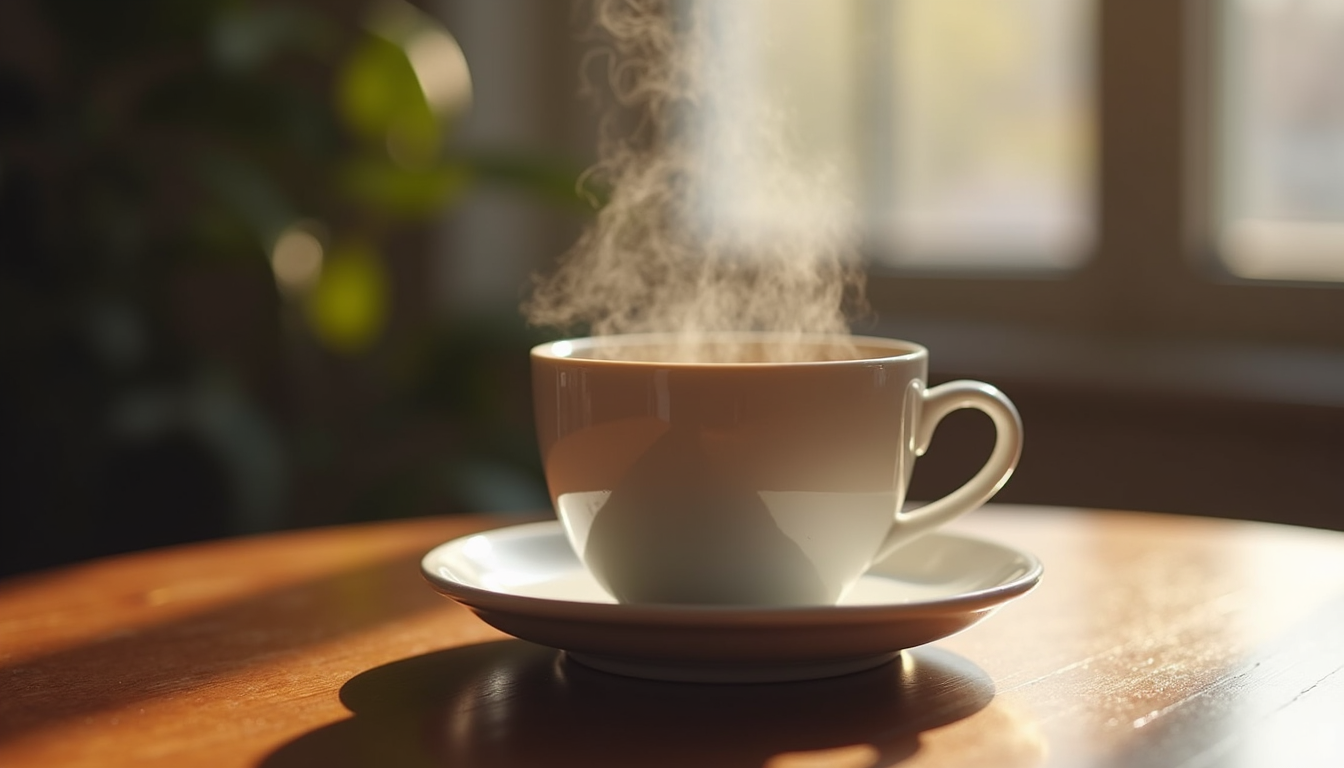
Close-up view of a steaming cup of coffee on a wooden table
Steaming cup of coffee on wooden table

How to Maximize the Benefits of Your Coffee

To enjoy the health benefits of coffee fully, consider these practical tips:

  1. Choose Quality Beans: Opt for high-quality, freshly roasted beans. Specialty coffee shops often provide detailed information about the origin and roasting process.
  2. Limit Added Sugars and Creamers: Excess sugar and high-fat creamers can negate coffee’s health benefits. Try natural sweeteners or plant-based milk alternatives.
  3. Drink in Moderation: Aim for 3-4 cups per day. Excessive caffeine intake can lead to negative effects such as anxiety or sleep disturbances.
  4. Time Your Coffee Intake: Avoid drinking coffee late in the day to prevent interference with sleep patterns.
  5. Stay Hydrated: Coffee is a mild diuretic, so balance your intake with plenty of water throughout the day.

What are the Four Types of Coffee?

Understanding the different types of coffee can help you select the perfect brew for your taste and health goals. Here are the four main types:

  1. Espresso: A concentrated coffee brewed by forcing hot water through finely-ground coffee beans. It serves as the base for many coffee drinks.
  2. Drip Coffee: Made by dripping hot water over ground coffee, this method produces a clean and smooth cup.
  3. French Press: Coarse coffee grounds steep in hot water before being separated by pressing a plunger through a mesh filter. This method retains more oils and flavors.
  4. Cold Brew: Coffee grounds steeped in cold water for an extended period, resulting in a smooth, less acidic beverage.

Each type offers a unique flavor profile and caffeine content, allowing you to tailor your coffee experience to your preferences.

Eye-level view of a French press coffee maker on a kitchen counter
French press coffee maker on kitchen counter

Coffee and Mental Health: A Closer Look

Beyond physical health, coffee can positively impact mental well-being. The caffeine in coffee stimulates the central nervous system, which can help reduce feelings of fatigue and improve mood. Some studies have linked moderate coffee consumption with a lower risk of depression and cognitive decline.

However, it is important to balance intake, as excessive caffeine can lead to jitteriness or increased anxiety in sensitive individuals. If you notice negative effects, consider reducing your consumption or switching to decaffeinated options.

Incorporating Coffee into a Healthy Lifestyle

To make the most of coffee’s benefits, integrate it thoughtfully into your daily routine:

  • Pair with a Balanced Diet: Coffee complements a diet rich in fruits, vegetables, whole grains, and lean proteins.
  • Use as a Pre-Workout Boost: Enjoy a cup about 30 minutes before exercise to enhance performance.
  • Enjoy Mindfully: Take time to savor your coffee, which can promote relaxation and reduce stress.
  • Experiment with Brewing Methods: Try different types of coffee to find what suits your taste and health needs best.

For those interested in exploring premium options, visiting a specialty coffee provider like Cafe Vensava can offer a wide selection of quality beans and expert guidance.

Embrace the Joy and Benefits of Coffee

Whether you are a casual drinker or a coffee enthusiast, understanding the health benefits of this popular beverage can enrich your experience. From boosting mental alertness to supporting heart health, coffee offers a range of advantages when enjoyed responsibly. So, brew your favorite cup, savor the aroma, and appreciate the amazing benefits that come with every sip.

Coffee is more than just a morning ritual; it is a complex and fascinating world of flavors waiting to be explored. Whether you are a casual drinker or an aspiring connoisseur, understanding the nuances of coffee flavor can transform your daily cup into an extraordinary experience. This coffee flavor guide will take you on a journey through the essential elements that shape the taste of your brew, helping you appreciate every sip with newfound knowledge and enthusiasm.
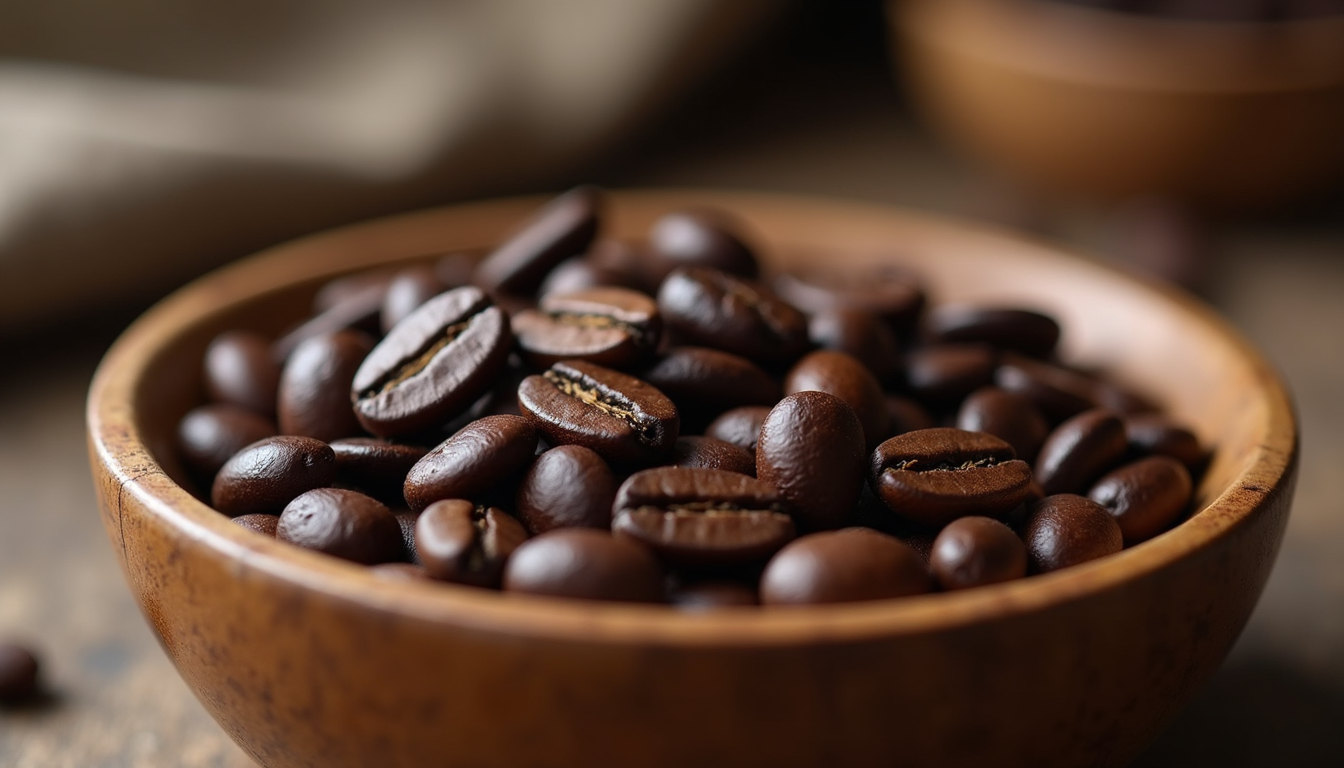
Close-up view of roasted coffee beans in a wooden bowl
Roasted coffee beans ready for brewing

Discovering the Coffee Flavor Guide: What Makes Coffee Taste Unique?

The flavor of coffee is influenced by a variety of factors, from the origin of the beans to the brewing method. Each step in the process contributes to the final taste profile, making coffee a truly versatile beverage.

  • Origin and Terroir: Just like wine, coffee beans reflect the environment where they are grown. Soil type, altitude, and climate all impact the flavor. For example, Ethiopian coffees often have fruity and floral notes, while Brazilian beans tend to be nutty and chocolatey.
  • Processing Method: How the beans are processed after harvesting affects their flavor. Washed (wet) processing usually results in a cleaner, brighter taste, while natural (dry) processing can add fruity and wine-like characteristics.
  • Roast Level: Roasting transforms green coffee beans into the aromatic brown beans we know. Light roasts preserve more of the bean’s original flavors, medium roasts balance acidity and body, and dark roasts bring out bold, smoky, and bitter notes.
  • Brewing Technique: The way you brew your coffee – whether it’s espresso, pour-over, French press, or cold brew – influences extraction and flavor intensity.

Understanding these factors allows you to tailor your coffee experience to your preferences and discover new favorites.

Sampling different coffees

How to Taste Coffee Like a Pro: A Step-by-Step Flavor Guide

Tasting coffee is an art that anyone can learn. By following a few simple steps, you can train your palate to detect subtle flavors and aromas.

  1. Look: Observe the coffee’s color and clarity. A bright, clear brew often indicates a lighter roast or a clean processing method.
  2. Smell: Aroma is a huge part of flavor. Take a deep sniff and try to identify scents like floral, fruity, nutty, or spicy.
  3. Sip: Take a small sip and let the coffee coat your tongue. Notice the initial flavors and how they evolve.
  4. Savor: Pay attention to the aftertaste or finish. Is it sweet, bitter, or lingering?
  5. Describe: Use simple words to describe what you taste. Common flavor notes include chocolate, caramel, berries, citrus, and spices.

By practicing these steps regularly, you will become more confident in identifying your favorite coffee profiles and communicating your preferences.

What are the Four Types of Coffee?

Understanding the main types of coffee can help you navigate menus and make informed choices.

  1. Espresso: A concentrated shot of coffee made by forcing hot water through finely-ground beans. It has a rich, intense flavor and a creamy layer called crema.
  2. Drip Coffee: Made by pouring hot water over medium-ground coffee in a filter. It’s the most common brewing method and produces a clean, balanced cup.
  3. French Press: Coarse coffee grounds steep in hot water before being separated by a plunger. This method yields a full-bodied, robust flavor with more oils and sediment.
  4. Cold Brew: Coffee grounds steeped in cold water for 12-24 hours. The result is a smooth, less acidic coffee that’s perfect for hot days.

Each type offers a unique flavor experience, so don’t hesitate to experiment and find what suits your taste best.

Enhancing Your Coffee Experience: Tips for Brewing the Perfect Cup

Brewing coffee at home can be both fun and rewarding. Here are some practical tips to help you unlock the best flavors from your beans:

  • Use Fresh Beans: Coffee tastes best when brewed within two weeks of roasting. Buy whole beans and grind them just before brewing.
  • Measure Precisely: Use a kitchen scale to measure coffee and water for consistent results. A common ratio is 1:16 (1 gram of coffee to 16 grams of water).
  • Mind Your Water: Use clean, filtered water heated to about 195-205°F (90-96°C). Water quality and temperature greatly affect extraction.
  • Adjust Grind Size: Different brewing methods require different grind sizes. For example, espresso needs a fine grind, while French press requires coarse grounds.
  • Experiment with Brew Time: Longer brew times extract more flavors but can also increase bitterness. Find the sweet spot for your preferred method.

By paying attention to these details, you can elevate your home brewing and enjoy coffee that rivals your favorite café.

Close-up view of a coffee cup with latte art on a wooden table
Latte art on a freshly brewed coffee cup

Exploring Coffee Flavor Profiles Around the World

Coffee culture is rich and diverse, with each region offering distinct flavor profiles shaped by tradition and environment.

  • Latin America: Known for bright acidity and nutty, chocolatey notes. Countries like Colombia and Costa Rica produce well-balanced coffees.
  • Africa: Coffees from Ethiopia and Kenya often have fruity, floral, and wine-like flavors, prized for their complexity.
  • Asia-Pacific: Indonesian coffees, such as Sumatra, are famous for their earthy, spicy, and full-bodied characteristics.
  • Middle East: Traditional Arabic coffee is often spiced with cardamom and served strong and sweet.

Exploring these regional flavors can broaden your palate and deepen your appreciation for the global coffee community.

Unlocking the secrets of coffee flavor is a rewarding journey that enhances every cup you enjoy. Whether you prefer a bright, fruity brew or a dark, bold espresso, understanding the factors that influence taste empowers you to make better choices and savor your coffee like never before. For those eager to explore further, visiting specialty coffee shops or trying beans from different origins can be an exciting next step. Dive into the world of coffee and discover the endless possibilities that await your taste buds.

PHP Code Snippets Powered By : XYZScripts.com
Verified by MonsterInsights