Choosing the perfect coffee blend can feel like an exciting adventure or a daunting task. With so many options available, how do you find the one that suits your taste and lifestyle? Whether you prefer a bold, rich flavor or a smooth, mild cup, understanding the basics of coffee blends will help you make an informed choice. This guide will walk you through everything you need to know to select your ideal blend with confidence.

Understanding What Makes a Perfect Coffee Blend

A perfect coffee blend is more than just a mix of beans. It’s a carefully crafted combination designed to balance flavors, aromas, and textures. When selecting a blend, consider the following factors:

  • Origin of Beans: Different regions produce beans with unique flavor profiles. For example, Ethiopian beans often have fruity and floral notes, while Brazilian beans tend to be nutty and chocolatey.
  • Roast Level: Light roasts preserve the bean’s original flavors, medium roasts offer a balance, and dark roasts provide a smoky, bold taste.
  • Bean Variety: Arabica beans are known for their smooth, complex flavors, while Robusta beans have a stronger, more bitter taste and higher caffeine content.
  • Blend Purpose: Some blends are designed for espresso, others for drip coffee or cold brew. Knowing how you plan to brew your coffee can guide your choice.

By understanding these elements, you can start to narrow down what kind of blend will suit your palate and brewing method.

Close-up view of roasted coffee beans in a wooden bowl
Roasted coffee beans ready for blending

How to Identify Your Perfect Coffee Blend

Finding your perfect coffee blend involves a bit of experimentation and attention to detail. Here are some practical steps to help you identify the blend that fits your taste:

  1. Start with Single-Origin Coffees Try single-origin beans to understand the distinct flavors from different regions. This will help you recognize what you like before moving on to blends.
  2. Experiment with Roast Levels Purchase small amounts of light, medium, and dark roasts. Brew each one and note the differences in flavor, acidity, and body.
  3. Consider Your Brewing Method Different blends perform better with certain brewing techniques. For example, espresso blends are often darker and more intense, while pour-over blends highlight delicate flavors.
  4. Read Tasting Notes Coffee roasters often provide tasting notes describing the flavor profile. Look for descriptions that appeal to you, such as “chocolatey,” “fruity,” or “nutty.”
  5. Ask for Recommendations Don’t hesitate to ask baristas or coffee experts for suggestions based on your preferences.
  6. Keep a Coffee Journal Record your experiences with different blends, noting what you liked or didn’t like. Over time, this will help you refine your choices.

By following these steps, you’ll develop a better understanding of your taste preferences and be able to select blends that consistently satisfy you.

What are the Four Types of Coffee?

Understanding the four main types of coffee can also help you choose the right blend. These types refer to the processing methods and bean characteristics:

  1. Arabica Known for its smooth, complex flavor and lower caffeine content. Arabica beans are often grown at higher altitudes and are considered higher quality.
  2. Robusta Has a stronger, more bitter taste with higher caffeine. Robusta beans are hardier and often used in espresso blends for added crema and strength.
  3. Liberica Less common, with a unique smoky and floral flavor. Liberica beans are larger and irregularly shaped.
  4. Excelsa Often used to add tart and fruity notes to blends. Excelsa beans are rare and mostly grown in Southeast Asia.

Most blends combine Arabica and Robusta beans to balance flavor and caffeine content, but knowing these types helps you understand what’s in your cup.

Eye-level view of coffee beans from different origins in small bowls
Variety of coffee beans from different regions

Tips for Buying and Storing Your Coffee Blend

Once you’ve found a blend you like, it’s important to buy and store it properly to maintain freshness and flavor:

  • Buy Fresh, Whole Beans

Whole beans retain their flavor longer than pre-ground coffee. Purchase from reputable roasters who roast in small batches.

  • Check Roast Date

Look for the roast date on the packaging. Coffee is best consumed within 2-3 weeks of roasting.

  • Store in an Airtight Container

Keep your beans in a cool, dark place in an airtight container. Avoid storing coffee in the fridge or freezer as moisture can affect flavor.

  • Grind Just Before Brewing

Grinding releases the coffee’s aroma and flavor. For the best taste, grind your beans immediately before brewing.

  • Buy in Small Quantities

To ensure freshness, buy only what you can consume within a couple of weeks.

Following these tips will help you enjoy your perfect blend at its best.

Exploring Specialty Coffee Blends

Specialty coffee blends are crafted to highlight unique flavor combinations and often come from high-quality beans. Here’s what to look for when exploring specialty blends:

  • Single-Origin Blends

These blends combine beans from the same region but different farms or micro-lots, offering a nuanced flavor profile.

  • Seasonal Blends

Roasters create these blends to showcase the best beans available during a particular season, often with limited availability.

  • Flavored Blends

Some blends are infused with natural flavors like vanilla, caramel, or spices. These can be a fun way to try something different.

  • Organic and Fair Trade Blends

These blends focus on ethical sourcing and environmental sustainability, appealing to conscious consumers.

Trying specialty blends can expand your palate and introduce you to new coffee experiences.

Your Next Step to Enjoying Coffee

Choosing your perfect coffee blend is a rewarding journey that enhances your daily ritual. Whether you prefer a bright, fruity cup or a deep, chocolatey brew, the right blend is out there waiting for you. Start by exploring different origins, roast levels, and bean types. Remember to buy fresh, store properly, and experiment with brewing methods.

For a great selection of expertly crafted blends, check out coffee. With the right blend in hand, every cup becomes a moment to savor.

Close-up view of a steaming cup of coffee on a wooden table
Steaming cup of freshly brewed coffee ready to enjoy

Tea has long been a beloved beverage around the world, and in America, it has evolved into a unique cultural experience. While the traditional British tea time might be well-known, American tea routines have developed their own distinct charm and style. From casual afternoon breaks to elaborate gatherings, tea drinking in the United States reflects a blend of history, innovation, and personal expression.

The Evolution of American Tea Routines

American tea routines have transformed significantly over the years. Originally influenced by European settlers, tea drinking in the U.S. was once a formal affair, often associated with social status and refinement. Today, it has become more accessible and diverse, embracing a wide range of flavors, brewing methods, and occasions.

Many Americans now enjoy tea as part of their daily wellness rituals. Herbal teas, green teas, and specialty blends are popular choices for those seeking health benefits such as relaxation, digestion aid, or antioxidant intake. Tea shops and cafes across the country offer everything from classic black teas to exotic infusions, catering to a growing community of tea enthusiasts.

In addition, the rise of tea culture has inspired creative tea ceremonies and events. These gatherings often combine traditional elements with modern twists, such as pairing teas with artisanal snacks or incorporating mindfulness practices. This evolution highlights how American tea routines are both a nod to the past and a celebration of contemporary lifestyles.

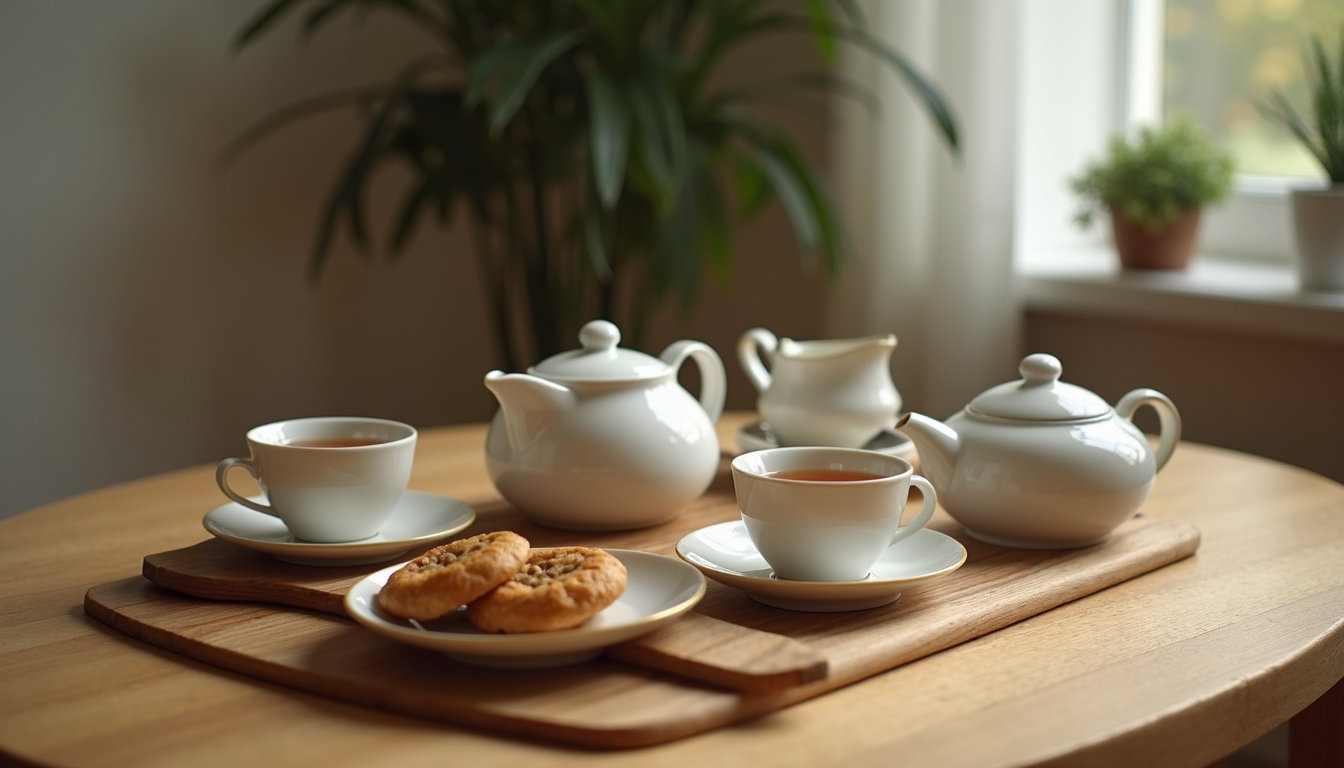
Eye-level view of a modern tea set with assorted teas and snacks on a wooden table
Modern American tea set with snacks

Why do they call it tea time?

The phrase “tea time” originally comes from British culture, where it referred to a specific time in the late afternoon for enjoying tea and light refreshments. This tradition was popularized in the 19th century and became a social ritual, often involving finger sandwiches, scones, and pastries.

In America, the term has been adopted but adapted to fit different schedules and preferences. While some still observe a mid-afternoon tea break, others enjoy tea at various times throughout the day, such as morning or evening. The concept of tea time in the U.S. is less rigid and more about taking a moment to pause, relax, and savor a comforting cup of tea.

The flexibility of tea time in America reflects the country’s diverse culture and fast-paced lifestyle. Whether it’s a quick solo moment with a favorite brew or a leisurely gathering with friends, tea time serves as a reminder to slow down and enjoy simple pleasures.

Popular Tea Varieties and Their Roles in American Tea Routines

American tea lovers have embraced a wide array of tea types, each bringing unique flavors and benefits to their routines. Here are some of the most popular varieties and how they fit into daily life:

  • Black Tea: Often enjoyed with milk or lemon, black tea is a staple for many Americans. It’s commonly consumed in the morning or early afternoon for a caffeine boost.
  • Green Tea: Known for its health benefits, green tea is favored by those seeking antioxidants and a gentle energy lift. It’s often part of wellness routines.
  • Herbal Tea: Caffeine-free and diverse in flavor, herbal teas like chamomile, peppermint, and rooibos are popular for relaxation and digestion.
  • Oolong and White Tea: These less common teas are gaining popularity for their delicate flavors and unique brewing methods.
  • Iced Tea: A quintessential American favorite, iced tea is especially popular in warmer months and can be sweetened or unsweetened.

Many Americans also experiment with tea blends, adding spices, fruits, or herbs to create personalized flavors. This creativity is a hallmark of modern American tea routines, making tea drinking a dynamic and enjoyable experience.

How to Create Your Own American Tea Time Ritual

If you want to embrace the charm of American tea routines, here are some practical tips to create your own tea time ritual:

  1. Choose Your Tea: Select a tea that suits your mood and time of day. For mornings, try a robust black tea; for evenings, a calming herbal blend.
  2. Set the Scene: Find a quiet, comfortable spot. Use your favorite mug or teapot to enhance the experience.
  3. Brew with Care: Follow the recommended steeping time and temperature for your tea to bring out the best flavor.
  4. Add Accompaniments: Pair your tea with light snacks like cookies, fruit, or cheese to elevate the ritual.
  5. Unplug and Relax: Use this time to disconnect from screens and focus on mindfulness or conversation.
  6. Invite Others: Tea time can be a social event. Invite friends or family to share the moment and explore new teas together.

By incorporating these steps, you can enjoy a meaningful and refreshing break in your day, inspired by the evolving American tea culture.

Close-up view of a steaming cup of herbal tea on a rustic wooden table
Steaming cup of herbal tea on rustic table

The Future of Tea Culture in America

The future of tea culture in America looks bright and innovative. As more people discover the benefits and pleasures of tea, the market continues to expand with new products and experiences. From tea subscription boxes to tea-infused cocktails, the possibilities are endless.

Sustainability is also becoming a key focus. Many tea brands are adopting eco-friendly practices, such as biodegradable packaging and fair-trade sourcing, appealing to environmentally conscious consumers.

Moreover, technology is playing a role in shaping tea routines. Smart kettles, tea brewing apps, and online tea communities help enthusiasts perfect their craft and connect with others.

Ultimately, American tea routines will continue to blend tradition with modernity, offering something for everyone. Whether you are a casual drinker or a dedicated connoisseur, tea time remains a delightful way to pause, refresh, and connect.

Embracing the diverse and evolving tea culture in America can enrich your daily life. By exploring different teas, creating personal rituals, and sharing moments with others, you can make tea time a cherished part of your routine. Cheers to the modern tea time experience!

PHP Code Snippets Powered By : XYZScripts.com
Verified by MonsterInsights